
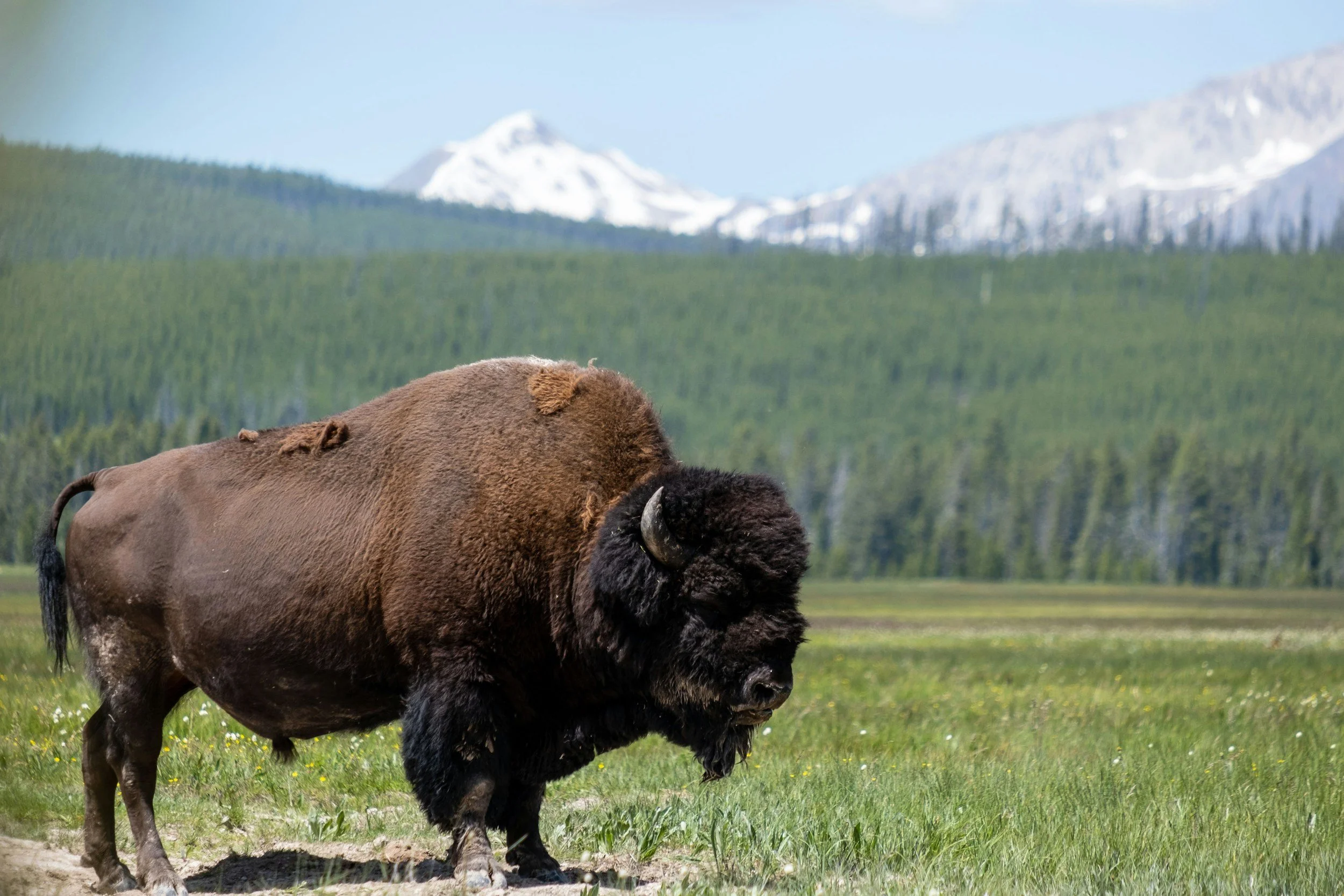
Wildlife Management
Powered by eOceans® — Evidence for Today’s World
A practical framework for connecting wildlife monitoring and management to reliable evidence, measurable conservation outcomes, and better management decisions.
Better wildlife decisions start with better evidence.
Wildlife management requires reliable information about species, populations, habitats, movements, behaviour and the pressures affecting them. Yet evidence is often scattered across field surveys, monitoring programs, research projects, incident reports and different organizations.
The eOceans® Wildlife Management Framework helps teams bring this information together, assess change over time, and turn observations into usable evidence for management, conservation and planning.
Built around eOceans, the framework supports wildlife professionals, governments, researchers, conservation organizations, land managers and consultants in making more informed, accountable decisions.
Six Pillars of Wildlife Management
1. Wildlife Populations and Biodiversity
Establish a reliable picture of the species present, where they occur, and how populations and communities change over time.
Track:
Species presence, absence and distribution
Frequency of occurrence and relative abundance
Population and community composition
Age classes, size and behaviour
Seasonal patterns and changes in species occurrence
Interactions between species
2. Habitat and Ecosystem Health
Understand how habitat conditions and environmental pressures affect wildlife and the ecosystems they depend on.
Track:
Habitat use and distribution
Changes in habitat condition
Wildlife interactions with development and land use
Pollution and other environmental pressures
Invasive species and emerging threats
Wildlife responses to restoration and habitat management
3. Wildlife Health, Welfare and Response
Connect field observations with the information needed to understand wildlife injuries, illness, mortality and response outcomes.
Track:
Wildlife injuries, deaths and unusual events
Locations, dates and circumstances of incidents
Observed behaviour and condition
Rescue, rehabilitation and recovery records
Necropsy findings and potential causes of mortality, where available
Patterns that may indicate emerging risks
Detailed clinical assessments, necropsies and cause-of-death determinations require appropriate specialist methods and expertise.
4. Human–Wildlife Interactions and Conflict
Identify where, when and why interactions occur, supporting more targeted prevention, mitigation and response.
Track:
Human–wildlife encounters and conflict incidents
Wildlife movement into developed or agricultural areas
Road, infrastructure and other human-related mortality
Interactions with recreation, tourism and industry
Changes in incident frequency and distribution
Outcomes of mitigation and management measures
5. Conservation and Management Effectiveness
Evaluate whether management actions are associated with meaningful changes in wildlife populations, habitats and risks.
Track:
Conservation and recovery objectives
Changes before and after management interventions
Habitat restoration and protection outcomes
Threat reduction and mitigation effectiveness
Wildlife population and distribution trends
Progress against management targets and indicators
6. Collaboration, Reporting and Accountability
Build a shared evidence base that supports coordination among wildlife managers, researchers, governments, landowners, Indigenous communities and conservation partners.
Support:
Consistent data collection and management methods
Data validation, quality review and documentation
Maps, analyses and reporting
Shared monitoring across sites and organizations
Clear roles, permissions and responsible data access
Repeatable reporting and long-term tracking
eOceans at the Core
eOceans provides the evidence infrastructure to support the wildlife management process, from field data to analysis and reporting.
Define the management question. Set up projects around target species, locations, monitoring objectives, methods and variables.
Collect and connect data. Bring together field observations, photos, notes, existing datasets and other relevant information.
Improve data quality. Use validation, error detection, review and documented workflows to support reliable, traceable datasets.
Analyze patterns and change. Generate maps, summaries, indicators and analyses to examine species distribution, frequency, relative abundance, behaviour, interactions and trends.
Report findings. Produce maps and reports to communicate results to decision-makers, partners, funders and the public where appropriate.
Keep evidence current. Add new observations, repeat analyses and update reports as monitoring continues, supporting ongoing management and adaptive decisions.
Where the Framework Can Be Used
The framework can be adapted to different species, habitats, jurisdictions and management priorities, including:
Terrestrial and marine wildlife
Threatened and endangered species recovery
Protected areas and wildlife reserves
Human–wildlife conflict prevention
Wildlife rescue, rehabilitation and mortality monitoring
Invasive species management
Environmental impact assessment and compliance monitoring
Roads, energy projects and other infrastructure
Hunting and wildlife-use management
Community-led conservation and long-term monitoring
Measure What Matters
Indicators should reflect the species, management objectives, available data and decisions being made. Depending on the project, these may include:
Species occurrence and distribution
Frequency of sightings or encounters
Relative abundance and community composition
Changes in habitat use
Wildlife injury and mortality patterns
Human–wildlife conflict frequency
Changes in key indicators over time
Progress toward recovery or management targets
Data completeness, quality and monitoring effort
Reliable interpretation matters. Sightings and encounter rates do not automatically establish population size or trends. Conclusions depend on survey design, sampling effort, detection probability, appropriate analytical methods and the quality of available evidence. Specialized population assessments may require additional methods and independent expertise.
From Wildlife Data to Management Decisions
Wildlife management is an ongoing process. Teams need to understand what is happening, identify emerging risks, assess interventions and adjust their approach as conditions change.
eOceans helps make that work more organized, repeatable and accessible, so teams can spend less time managing disconnected data and more time using evidence to guide their decisions.
Build your wildlife evidence. Track change. Make better-informed management decisions.