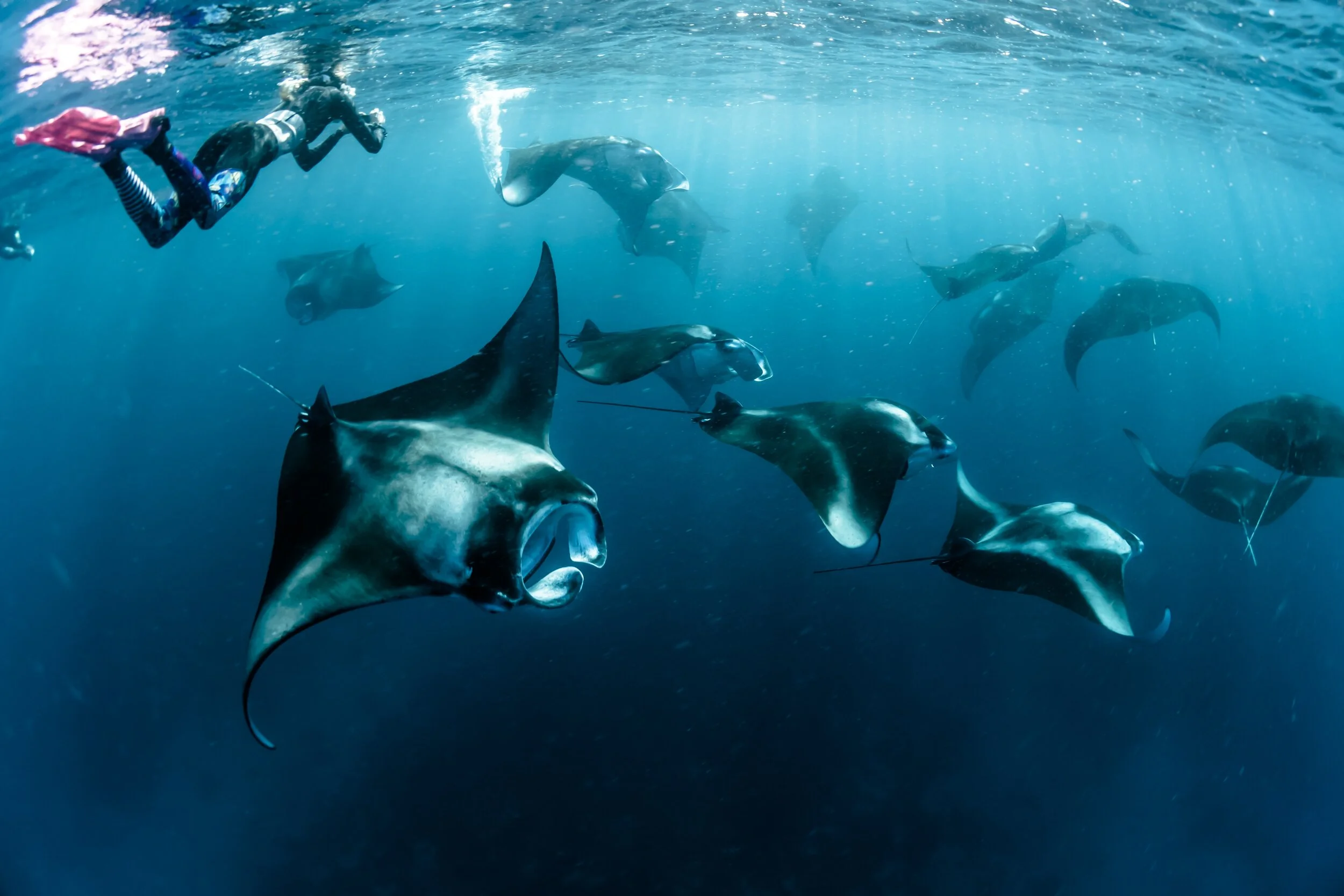
Yes. Our study found that recreational divers—even with varying experience—can effectively detect and count elasmobranchs, providing valuable data across large spatial and temporal scales. When used appropriately, this non-extractive, citizen-generated data complements traditional surveys and strengthens conservation and management efforts.