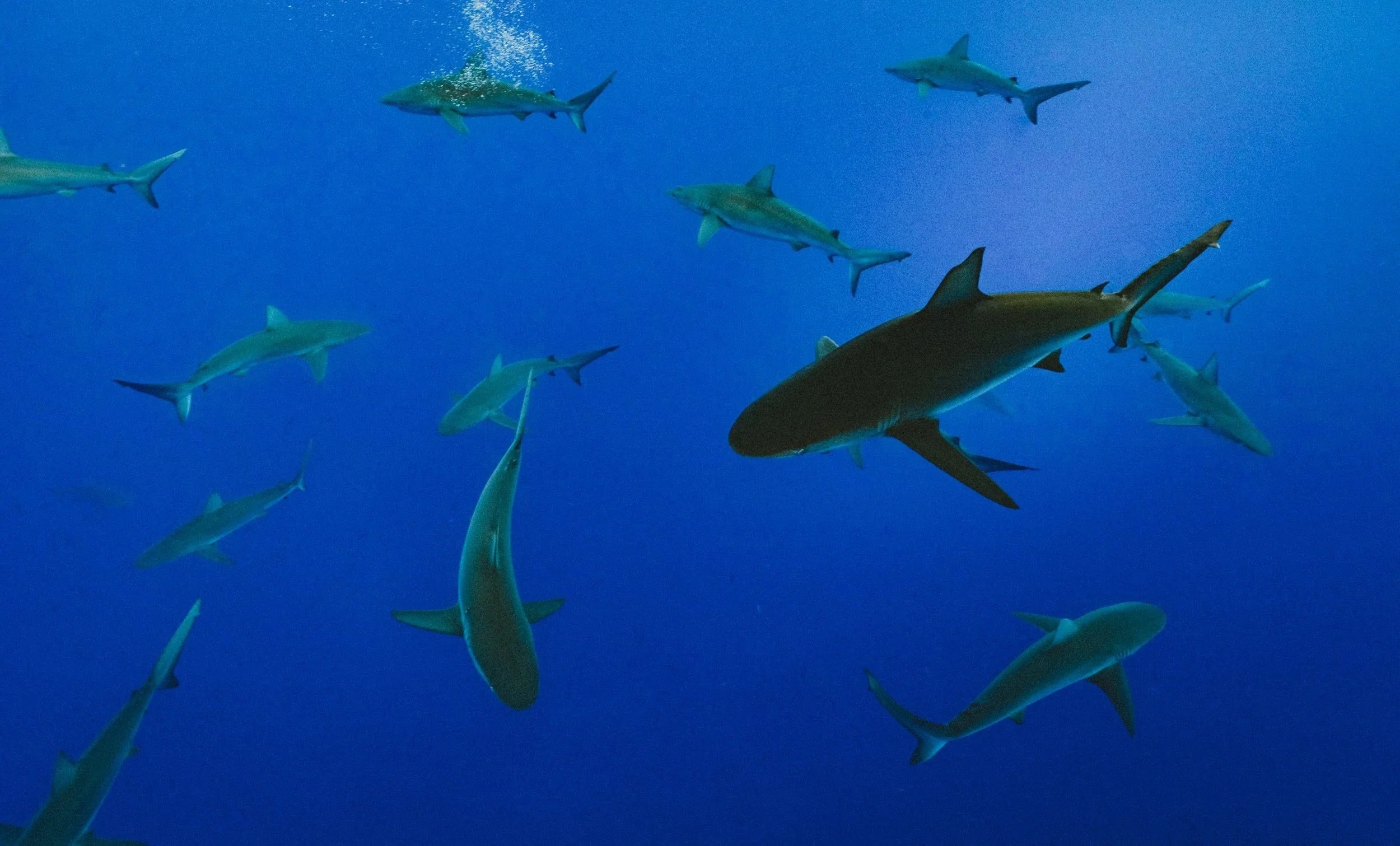
Yes—but recovery is slow and fragile. Our study found that while some elasmobranch populations are increasing, only 25% of recoveries are due to reduced human impacts, and even low fishing rates can halt progress. Effective recovery requires strict fishing limits, habitat protection, monitoring, and education, as shown in case studies from the southeastern U.S.