
Have Depleted Marine Animal Populations Recovered? Partial Recovery Is Possible—But Rarely Complete
From collapse to cautious recovery
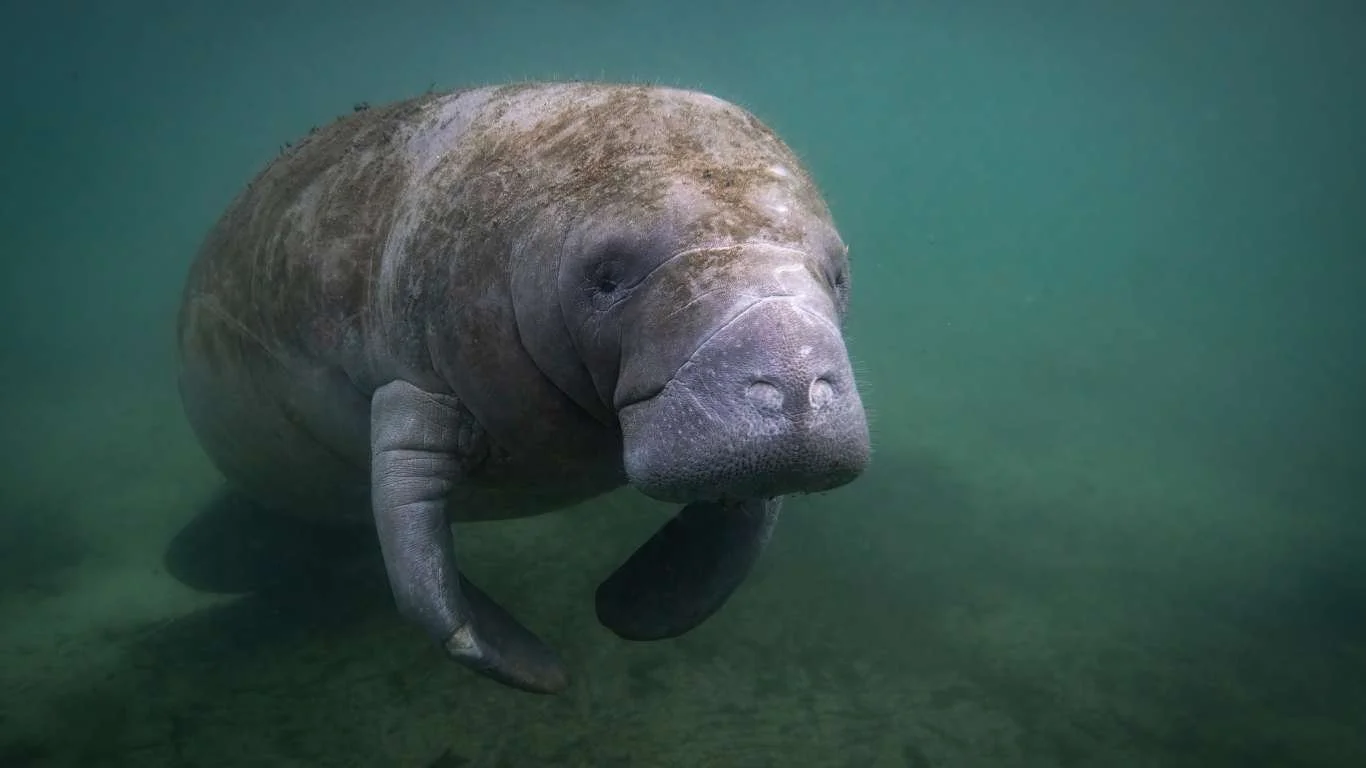
Across oceans globally, the narrative of decline is well established—centuries of fishing, habitat loss, and pollution have reduced many marine populations to a fraction of their historical abundance. But a more nuanced question has emerged in recent years: Are these populations actually recovering?
This study takes a global view to answer that question, moving beyond isolated success stories to examine patterns across species, ecosystems, and time.
What this study actually does
In “Recovery of Marine Animal Populations and Ecosystems”, we synthesized evidence from a wide range of documented recoveries across marine species and habitats.
Rather than focusing on a single region or taxon, the work evaluates:
how common recovery is across marine systems
how much populations recover relative to historical baselines
how long recovery takes
what conditions enable or limit recovery
By bringing these strands together, the study provides one of the clearest global assessments of whether recovery is the exception—or a realistic expectation.
What the study shows
A consistent but sobering pattern emerges: Recovery does happen—but it is limited, slow, and rarely complete.
Across the data, only 10–50% of depleted populations show any measurable recovery, and even then, most do not return to historical abundance levels. This reflects both biological constraints and the reality that many pressures persist even after management begins.
Several key insights stand out:
Recovery is uneven across species and systems. Some populations respond positively to protection, while others remain suppressed or shift into altered ecosystem states.
Magnitude of recovery is often partial. Even where populations increase, they typically stabilize below former levels, suggesting long-term changes in ecosystem structure or carrying capacity.
Timeframes are long. For long-lived species and complex ecosystems, recovery can take decades—or longer—particularly when declines were severe.
Multiple drivers are required. Recovery is rarely triggered by a single action; it depends on sustained reductions in exploitation, habitat restoration, and broader environmental conditions.
Why this matters for conservation
This work reframes how recovery should be understood in marine systems.
Recovery is not a quick reversal of decline—it is a long-term process that requires persistence, coordination, and realistic expectations.
Critically, it also shows that:
protection works, but only when maintained over time
partial recovery is common and still valuable
delayed responses are the norm, not the exception
For decision-makers, this means short-term metrics can underestimate success—or failure—if timelines are not properly accounted for.
What drives recovery—and what holds it back
The study highlights that recovery depends on a combination of enabling conditions.
Reducing human pressures is foundational—particularly fishing, habitat destruction, and pollution. Without this, recovery does not begin.
Legal protection and enforcement play a central role. Areas with strong governance and compliance show more consistent recovery signals.
Biological traits matter. Species that grow slowly, mature late, or produce few offspring recover much more slowly than fast-reproducing organisms.
Environmental context shapes outcomes. Favorable conditions can accelerate recovery, while ongoing stressors or ecosystem shifts can prevent it entirely.
In many cases, recovery is not just about removing a single threat—but about addressing cumulative impacts across the system.
The key limitation: shifting baselines
One of the most important challenges highlighted by this work is the concept of shifting baselines.
In many regions, historical abundance is poorly known or already forgotten. This makes it difficult to define what “recovery” actually means—and risks accepting degraded states as success.
As a result, some populations that appear stable or recovered may still be far below their original ecological roles.
What changes now
This study supports a shift in how recovery is framed and managed:
From expecting rapid rebounds to planning for long-term rebuilding
From single-species interventions to ecosystem-based approaches
From short-term targets to multi-decadal commitments