Building a Stronger Voice for a Fishery
How a fishery association turned years of catch and bycatch data into evidence it could understand, trust, and use to represent its members
The fishery was being squeezed from all sides.
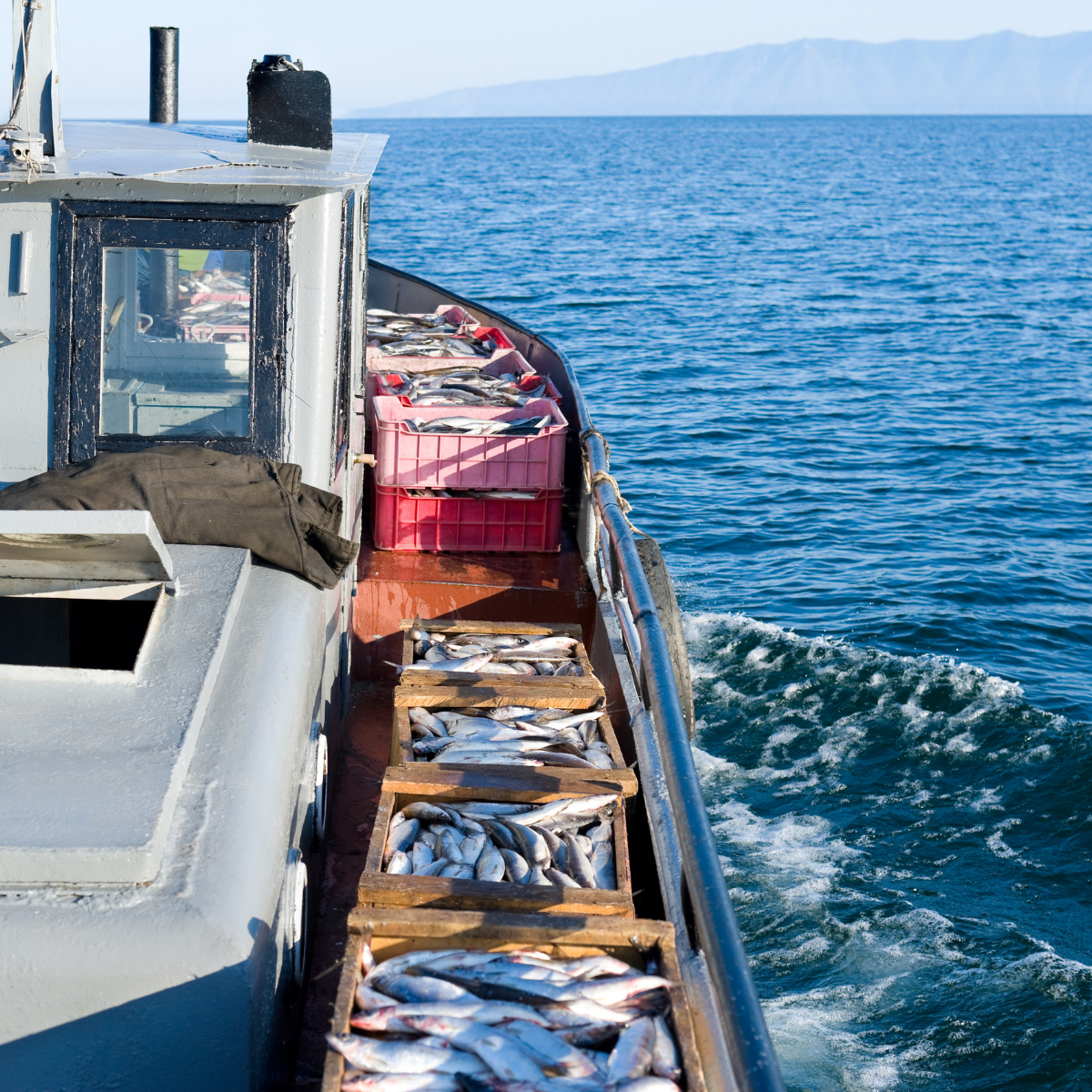
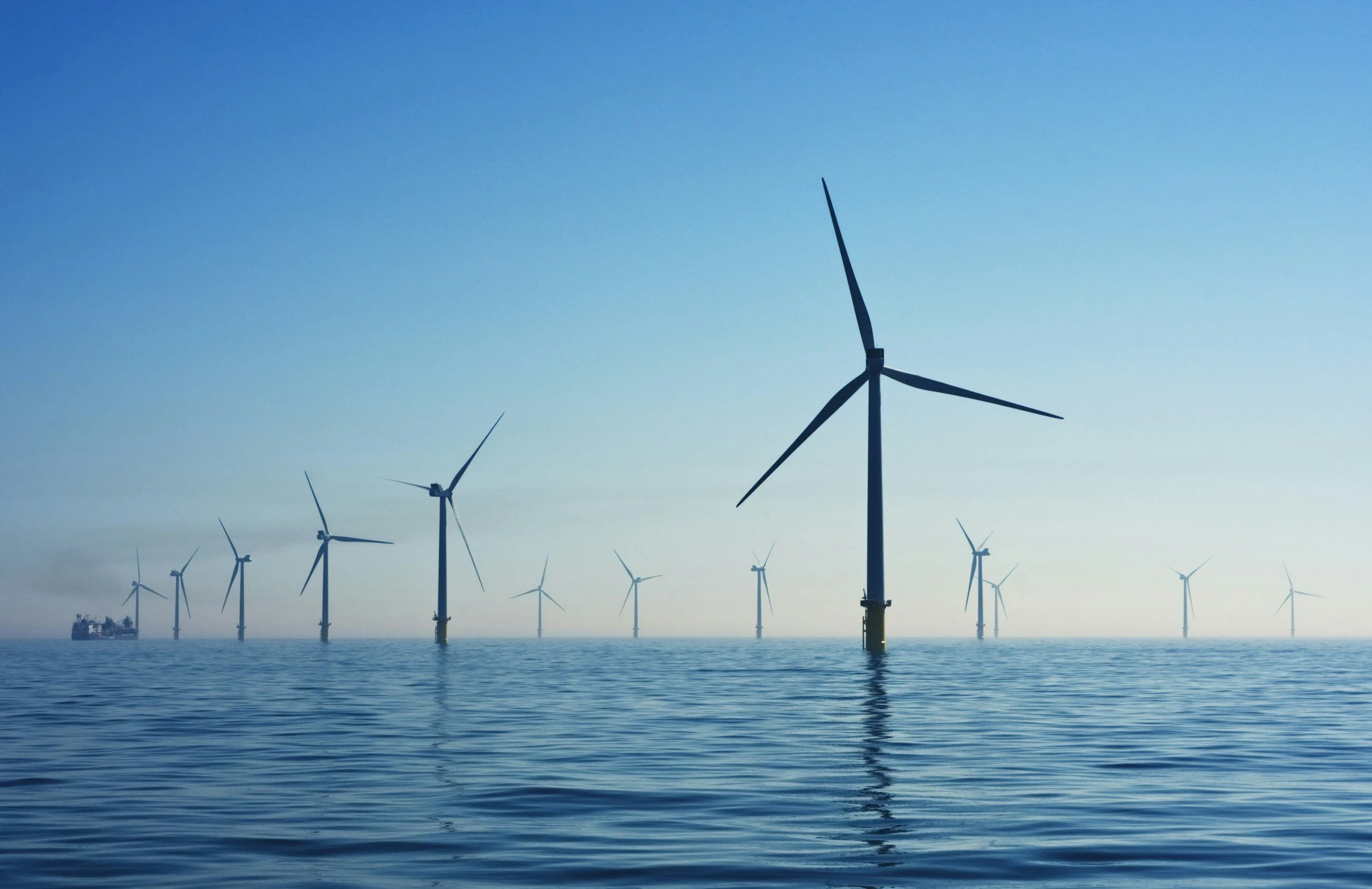
Commercial fisheries are under pressure from every direction. Government is making decisions about access, new developments, quotas, conservation, and management. Offshore energy is expanding. Aquaculture is growing. Shipping and transportation need space. Tourism has its interests. Conservation and protected areas are expanding.
All of these interests can affect where and how fisheries operate—and ultimately the value of their licenses, their access to fishing grounds, and even how far they may have to travel to fish. For generations, fishers were often the only ones out there, but that is changing quickly.
And every one of these other interests has people, data, science, and money behind its case—advocating for its own interests.
So what does the fishery have when decisions are being made about its fishing grounds, its licenses, its quota, and its future?
Too often, it has had to rely on government and scientific analysis that can be slow or out of date, along with its own experience and educated guesswork. That becomes a serious problem when the stakes are livelihoods, businesses, communities, and the value of an entire fishery and way of life.
The fishery needs its own evidence.
Not just data sitting in spreadsheets, but evidence it can understand, trust, and use to defend its interests.
Taking the evidence into their own hands.
A fishery association had years of detailed catch and bycatch data collected by fishers and the association. They had invested in collecting the information because they needed to understand what was happening in their fishery—where they were fishing, what they were catching and discarding, how catch rates were changing, and what was happening in the areas that matter most to their members.
They wanted to optimize the fishery and make the best possible use of their available quota, while also protecting their members' broader interests.
But having the data wasn't the same as being able to confidently use it.
They didn't have the analytical capacity to fully understand everything those data could tell them, and they didn't want their understanding of the fishery to depend entirely on someone else's analysis.
So they brought the data to eOceans.
They urgently needed to understand the fishery well enough to make and drive better decisions, protect access, and make the strongest possible case for their members.
eOceans carefully explored, cleaned, standardized, and quality-controlled the data before conducting an independent analysis and presenting the findings back to the association.
That independent analysis helped build trust in the results. Members could see that the findings reflected what they were seeing on the water, while also revealing patterns that were difficult to see in the raw data.
The association could see patterns in fishing effort, catch and bycatch, fishing locations, catch rates, discarded catch, size and other biological characteristics, berried and v-notched lobster, changes over time, and areas of importance to the fishery.
The results were presented back to the association and interpreted with them—not simply handed over as another black-box analysis.
From data to a stronger voice
The results gave the association something it had been missing: a trusted, independent understanding of its own fishery.
It was both reassuring and empowering.
The analyses gave members greater confidence that what they were seeing on the water was reflected in the evidence. More importantly, they now had evidence they could bring into the conversations that affect their future.
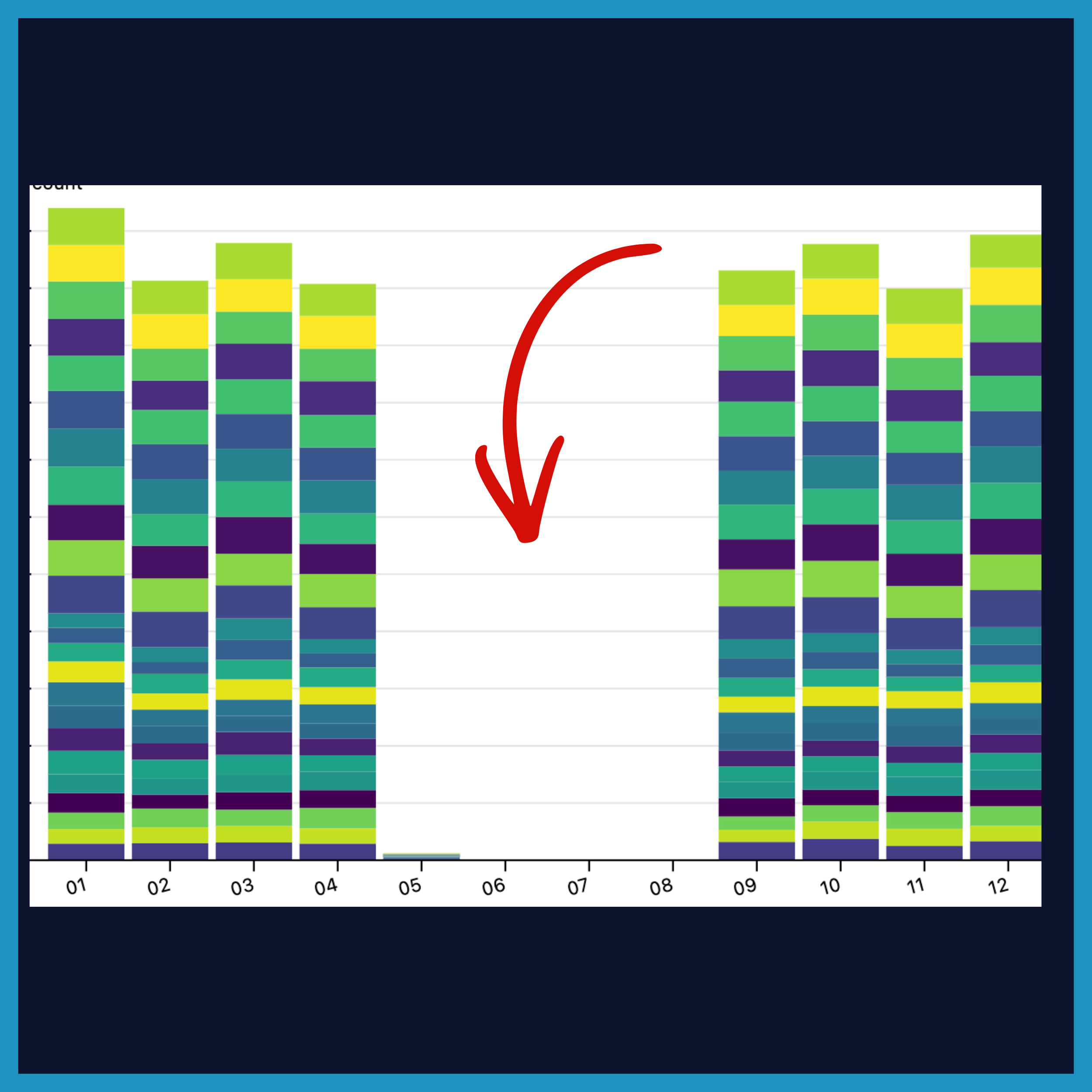
That evidence can support discussions about quota, illegal fishing, access to fishing grounds, protected areas, offshore development, climate change, disease, marine-mammal mitigation, closures, and other decisions that affect where and how people fish.
It can help demonstrate the importance of fishing areas, understand potential impacts, and provide evidence when access or fishing activity is threatened.
Instead of waiting for someone else to analyze the fishery—or arguing from experience alone—the association could bring its own evidence to the table.
The bigger change
The important outcome wasn't simply an expert analysis of their data. It was having the ability to defend the fishery with evidence.
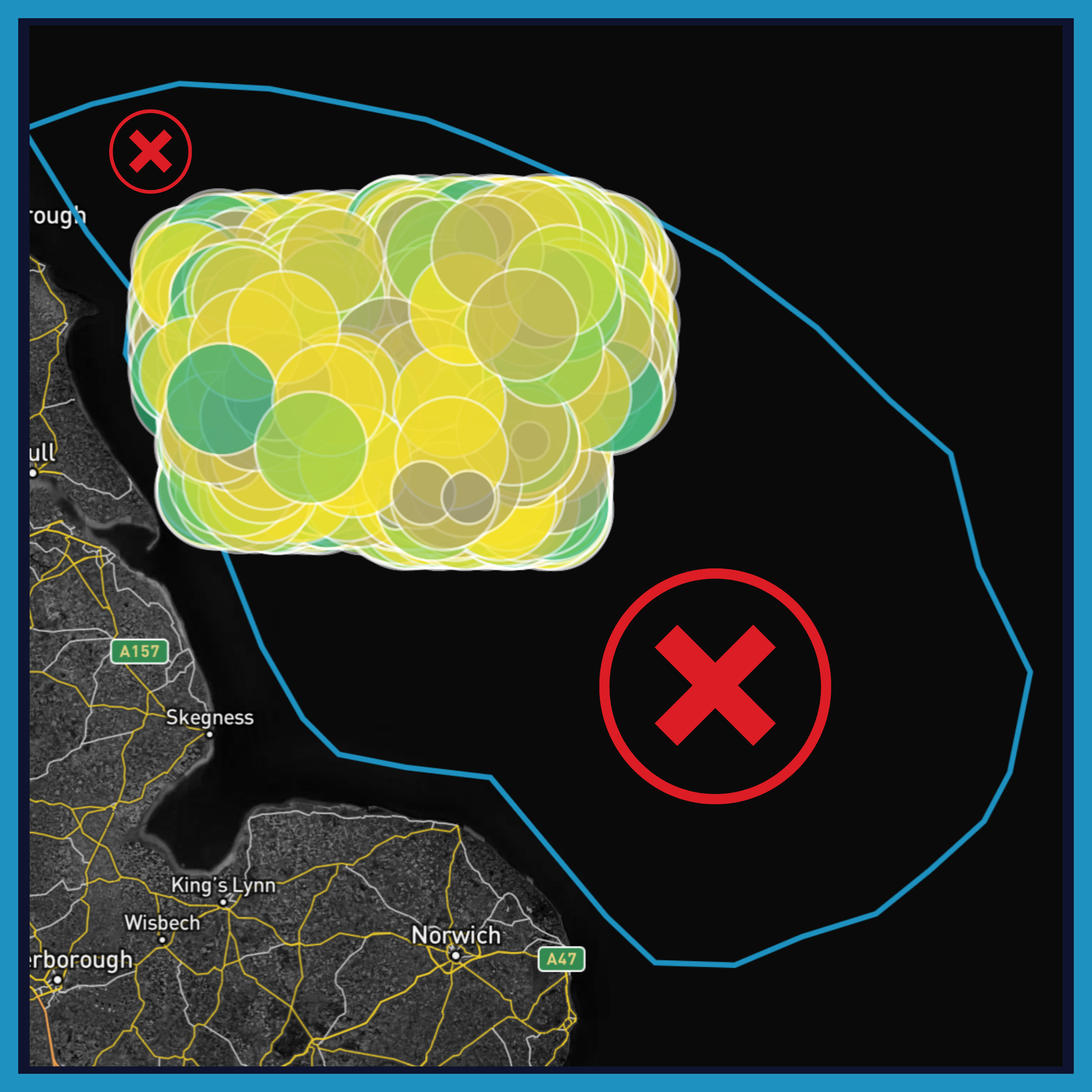
The association went from relying on others to tell them what their data meant to understanding it for themselves. From feeling like decisions were happening to them to being better prepared to respond. And from having a voice based largely on experience to having the data to back it up.
Because when everyone else at the table has evidence supporting their interests, commercial fisheries need it too.
Their future is too valuable to leave to guesswork.
→ Get powered by eOceans®
Note: This was a privately delivered project. To protect our client's confidentiality and data sovereignty, we cannot share the underlying data or detailed results publicly.