How can eOceans help track river dolphins and other culturally important mammals?
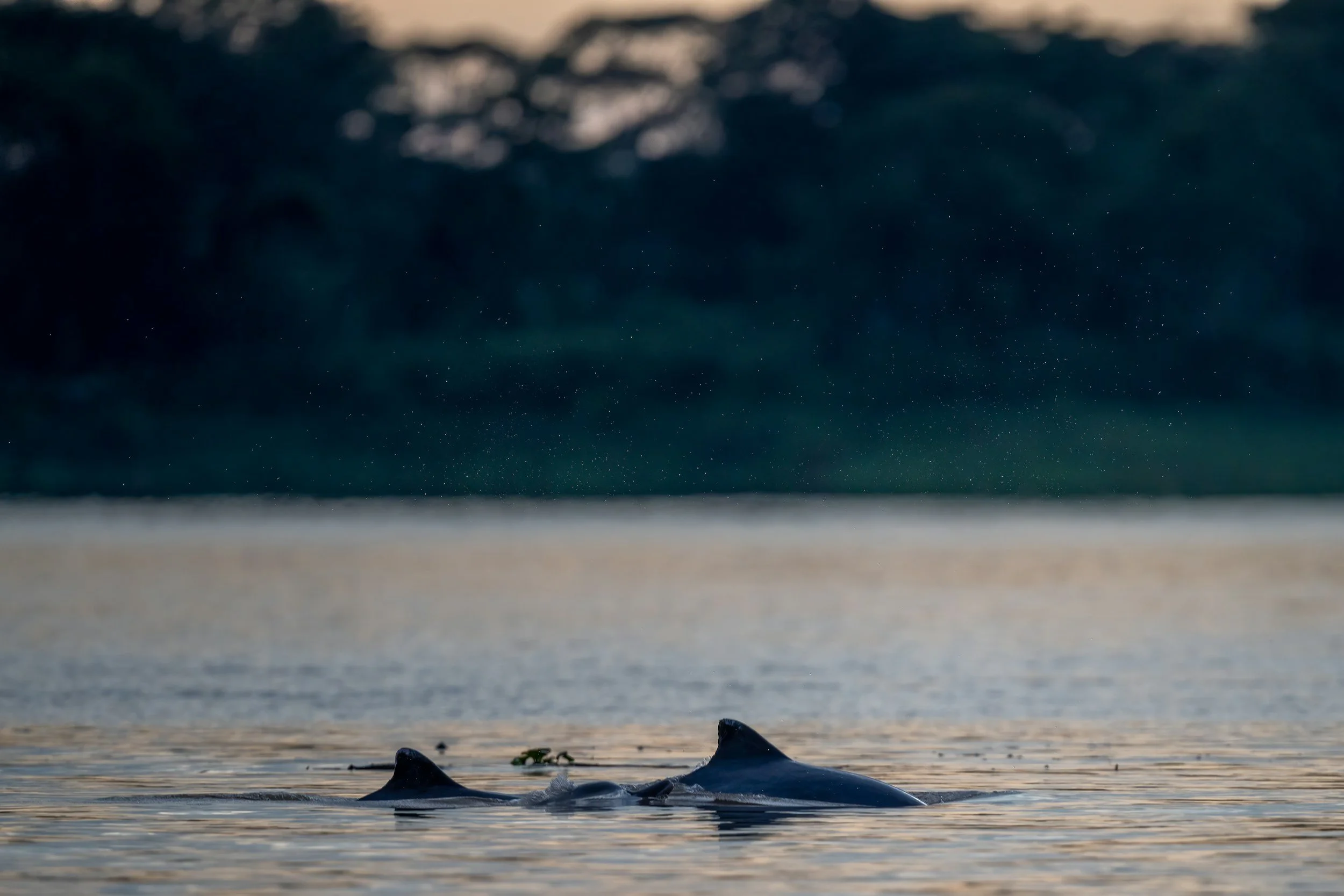
River dolphins are more than wildlife. In places such as Cambodia, they are part of the relationship communities have with their rivers, connected to culture, livelihoods, history, identity, and, for some communities, spiritual beliefs. Their presence can also tell us something about the health of the river itself. Protecting them means protecting a relationship between people, wildlife, and place.
For the people responsible for safeguarding these animals, that creates a difficult management problem. Dolphins move through a changing river, while information about them may come from many different places: researchers, rangers, fishers, communities, government programs, monitoring projects, and conservation organizations. Some may use specialist software for patrols, protected areas, species identification, or other specific tasks. The information still needs to come together if managers are going to understand what is happening across the whole system.
The challenge is rarely a complete absence of data. It is making the data useful.
A sighting in one database, a mortality record in a spreadsheet, fishing activity in another system, community observations in messages, and years of historical research in reports can each tell part of the story. Bringing those pieces together can take enormous amounts of staff and expert time. By the time the analysis is finished and a report is produced, the river may already have changed.
A clearer picture of what is changing
For a manager or guardian, the important questions are bigger than individual observations. Where are dolphins still being found? Are they using the same areas as they did five or ten years ago? Where are threats increasing? Where do dolphins and fishing activity overlap? Are conservation measures changing outcomes? What is happening between formal surveys?
Answering those questions requires evidence that can be connected across space and time.
eOceans provides that common layer. Information can come from different people, projects, and existing systems, while eOceans provides a consistent way to bring the evidence together, quality-control it, analyze it, map it, and turn it into current reports and other outputs.
That means specialist tools do not have to disappear. A ranger program can continue using its ranger software. An MPA can continue using its MPA management system. Researchers can continue using the tools they need for their particular work. eOceans can sit across those activities, helping the people responsible for the bigger picture understand what all the evidence is saying together.
Keeping the story of the river
This is particularly important when the species has cultural or spiritual significance.
The people living alongside a river may know where dolphins have historically occurred, when they appear, how their behaviour has changed, or which places have particular meaning. That knowledge may be collected very differently from a scientific survey, and some of it may need to remain private or within the community.
A useful evidence system does not have to flatten those differences. It can preserve the context around information and allow guardians and communities to decide what should be shared, with whom, and at what level of detail.
Over time, this creates something much more valuable than a series of annual reports. It creates a continuing record of the animals, the river, the pressures on it, the actions being taken, and the knowledge of the people connected to it.
Why eOceans?
The value is in reducing the work required to turn all of that information into something managers can actually use.
Teams responsible for conservation can spend hundreds or thousands of hours coordinating data, cleaning files, reconciling information from different sources, preparing maps, repeating analyses, updating reports, and answering the same questions for different funders and decision-makers. That is expensive expert time, even when the software itself is free.
eOceans automates much of the workflow around that work. The return is not simply replacing a spreadsheet or buying another database. It is reducing the ongoing cost of producing trustworthy, decision-ready evidence and getting more value from the monitoring already being funded.
It can also improve the return on conservation investment itself. When managers can see where animals, threats, human activity, and interventions overlap, they have better evidence for deciding where to focus limited resources. When the same evidence can support monitoring, research, reporting, funding, and management, every observation and every hour spent collecting it becomes more valuable.
The more complex the program becomes — more people, more places, more years, more data sources, and more reporting requirements — the greater that potential return.
A living evidence system for the people responsible
eOceans does not need to replace the tools already being used by researchers, rangers, protected-area managers, or communities. It gives the people responsible for the bigger picture a way to bring the evidence together.
The result is a continuously updated view of what is happening — one that can support day-to-day management, long-term conservation, funding decisions, research, community engagement, and accountability.
For a species like a river dolphin, that matters because the question is not simply “How many dolphins did we see?”
It is “What is happening to the animal, the river, and the relationship between them — and what should we do about it?”
eOceans helps the people responsible for that future have the evidence to answer.
—> Get powered by eOceans®.