How Do You Measure Continuous Change?
Stop guessing. Start continuously understanding the world.
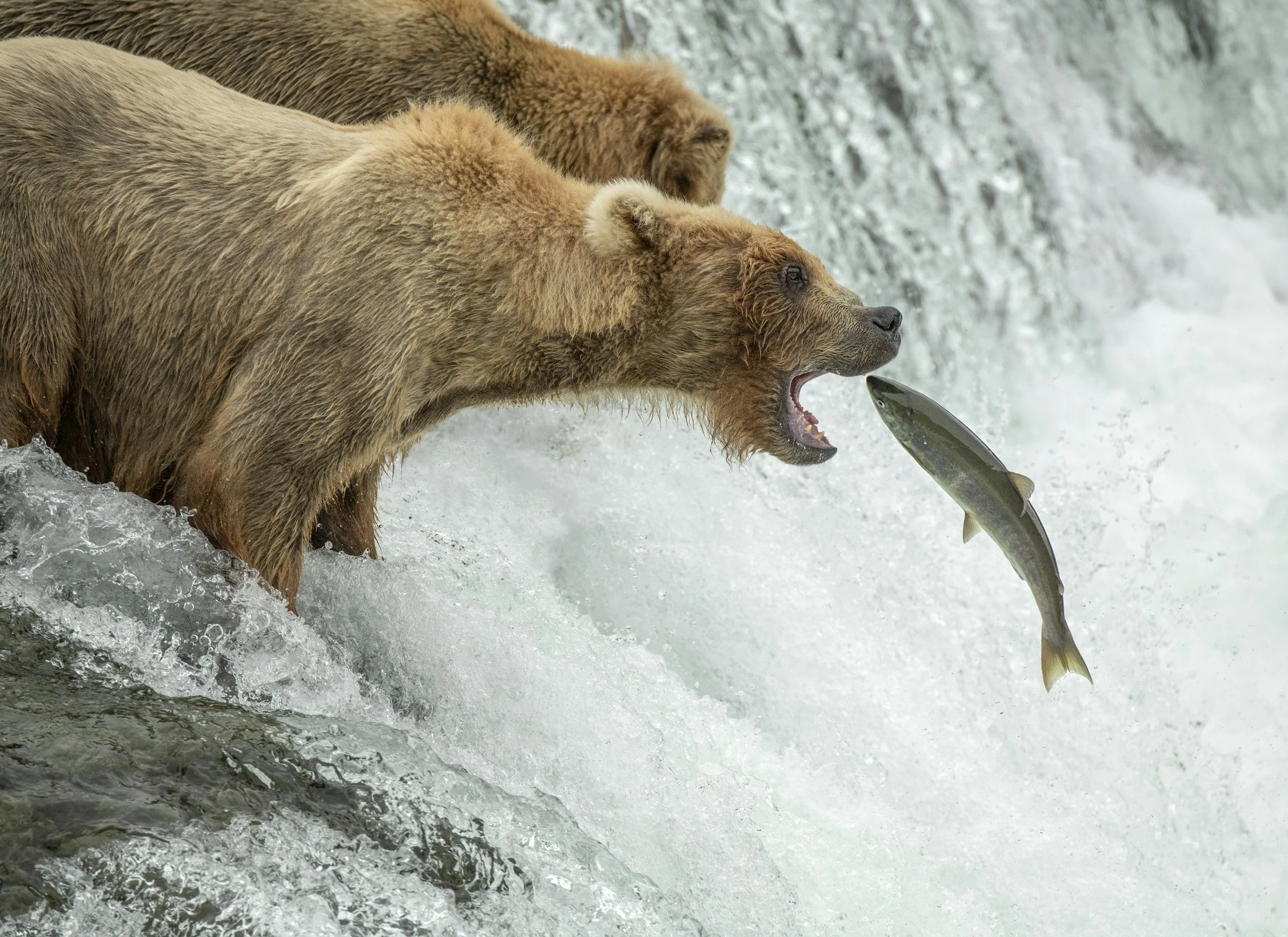
What's the status of salmon?
Where are ticks spreading?
Is avian influenza moving into new regions?
Are elephant conflicts increasing?
Is pollution getting better—or worse?
Are restoration investments actually working?
For most of the world's biggest challenges, we simply don't know. At least not well enough, or fast enough.
Too often we're relying on fragmented observations, annual reports, disconnected databases, spreadsheets, and static maps to understand systems that change every hour.
Sometimes we spend tens of thousands—or even millions of dollars trying to answer a single question.
Environmental Impact Assessments may involve teams of GIS specialists, consultants, scientists, and analysts working for months before a report is produced.
By the time the evidence is available, the system has already changed.
The problem isn't data.
The problem is that we still manage today's complex, interconnected world using workflows designed generations ago.
Manual data collection.
Manual integration.
Manual analysis.
Manual reporting.
The consequences are delayed decisions, higher costs, fragmented evidence, and missed opportunities.
From estimates to continuous understanding
More than a decade ago, our research produced one of the world's most widely cited estimates—that approximately 100 million sharks are killed every year.
That estimate was necessary because nobody was measuring shark mortality continuously.
Today, the same challenge exists across nearly every sector.
Whether you're monitoring fisheries, wildlife, biodiversity, infrastructure, tourism, public health, climate risks, or community values, organizations are still trying to reconstruct reality after the fact.
eOceans changes the workflow
eOceans® continuously transforms observations into results.
Collect observations.
Automatically integrate data.
Continuously analyze change.
Generate live dashboards and reports.
Support better decisions.
Instead of waiting months—or years—to understand what's happening, organizations can continuously understand the systems that matter most.
Built for today's challenges
eOceans supports organizations working across:
Fisheries and aquatic resources
Wildlife and biodiversity
Human–wildlife interactions
Environmental assessments
Climate adaptation
Infrastructure and asset monitoring
Tourism and destination management
Public health
Community safety
Conservation
Research
Government
Continuous monitoring. Better decisions.
→ Get powered by eOceans®